Markham Museum Collections Building
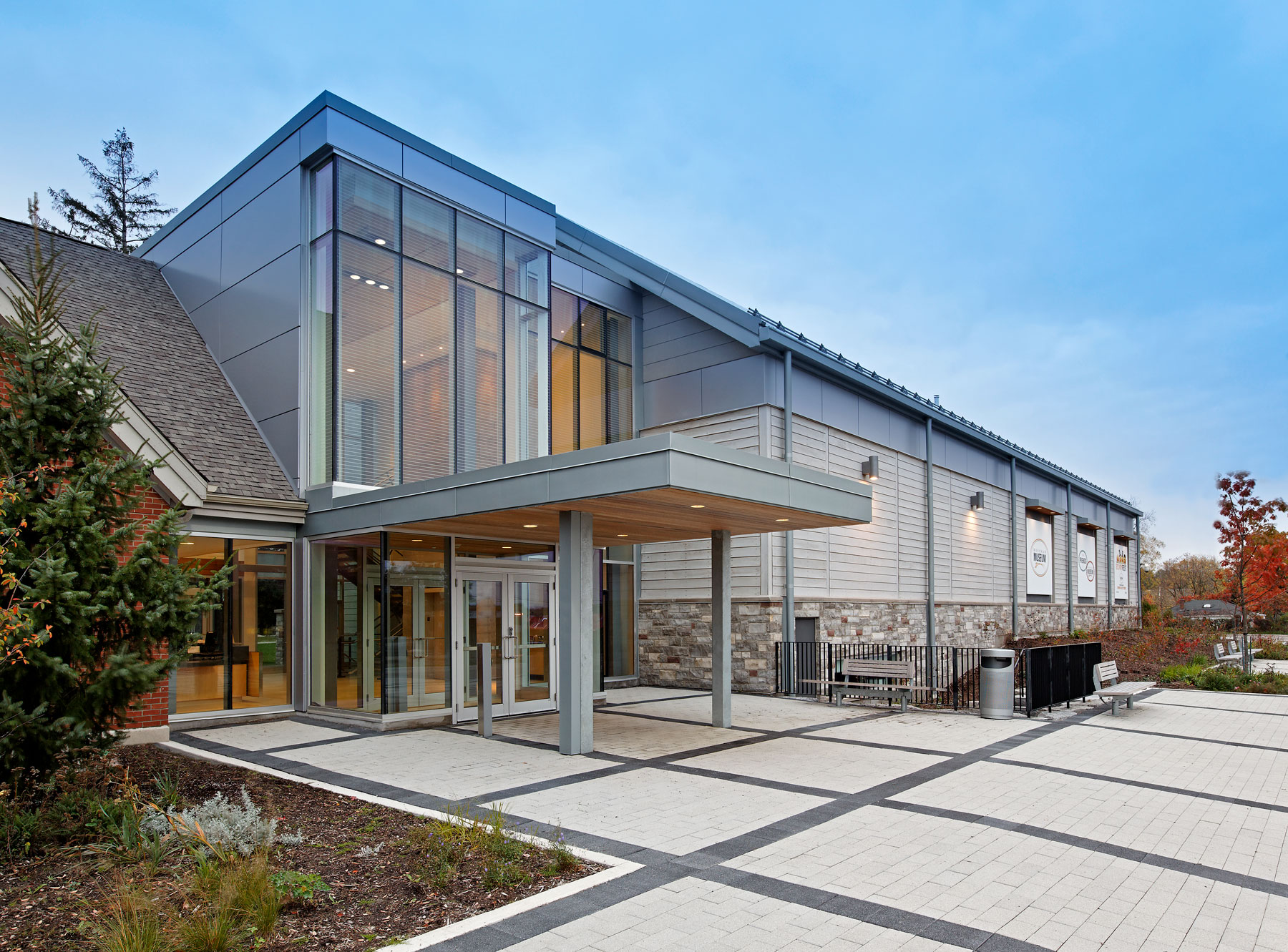
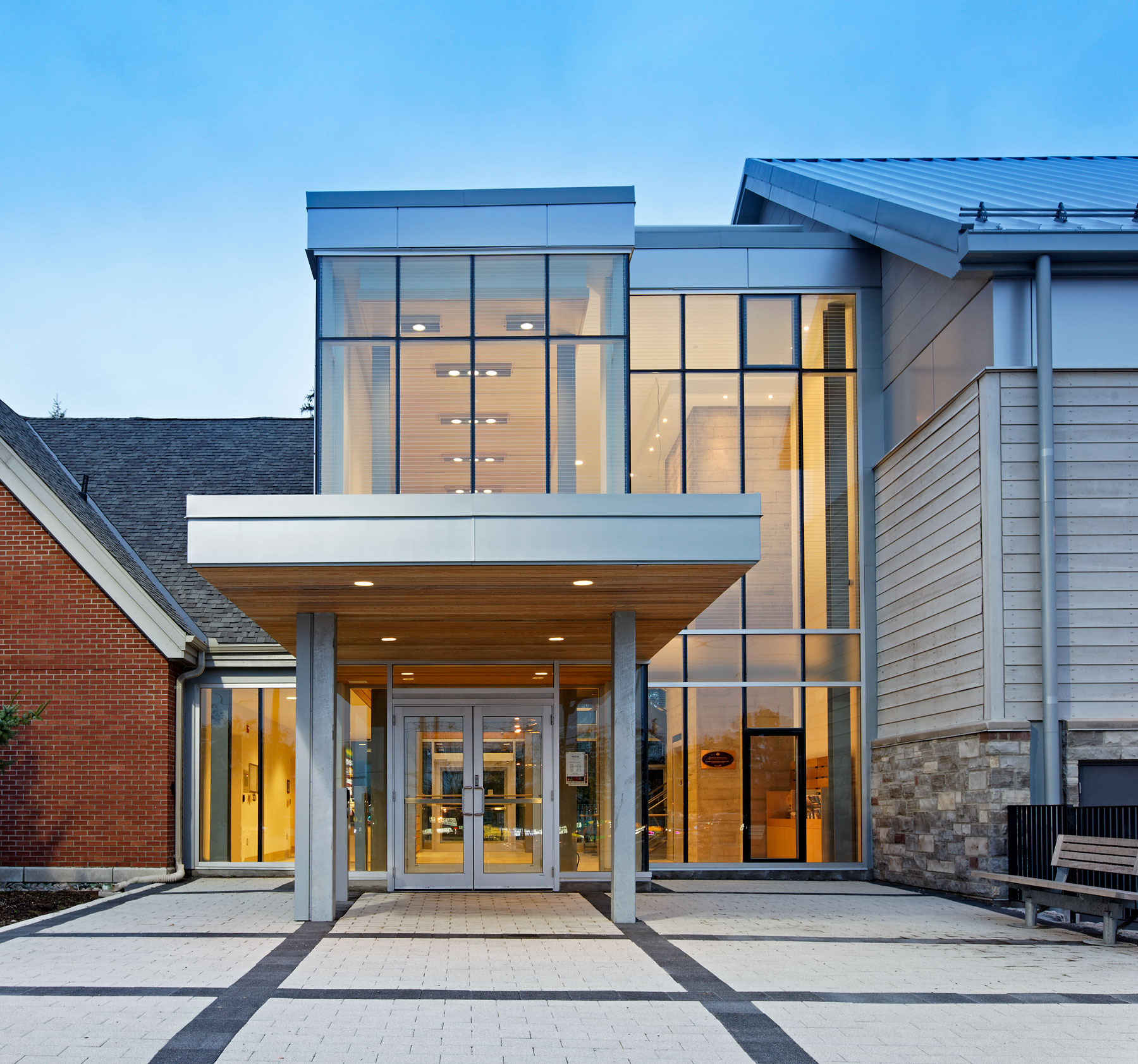
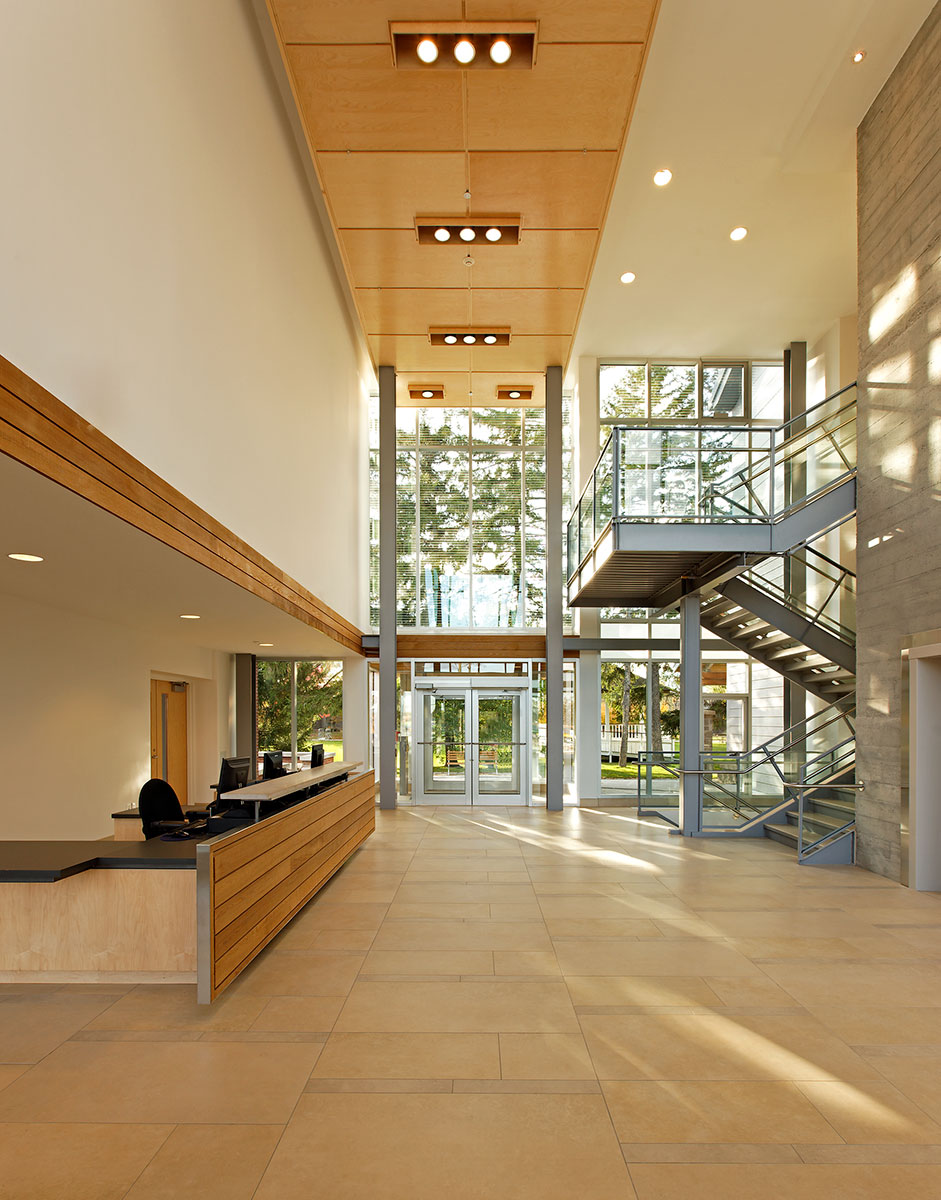
The Markham Museum Collections building is an expansion on to the existing Visitor’s Centre and forms the “Gateway” to the Markham Museum Pioneer Village.
The architectural design is a modern interpretation of the industrial and agricultural heritage for the Town. The initial design stage was to create a Master Plan for the entire site and Facility Program (with EDA), including the long term development of the Pioneer Village which is programmed with a variety of community, family, and school programming year round.
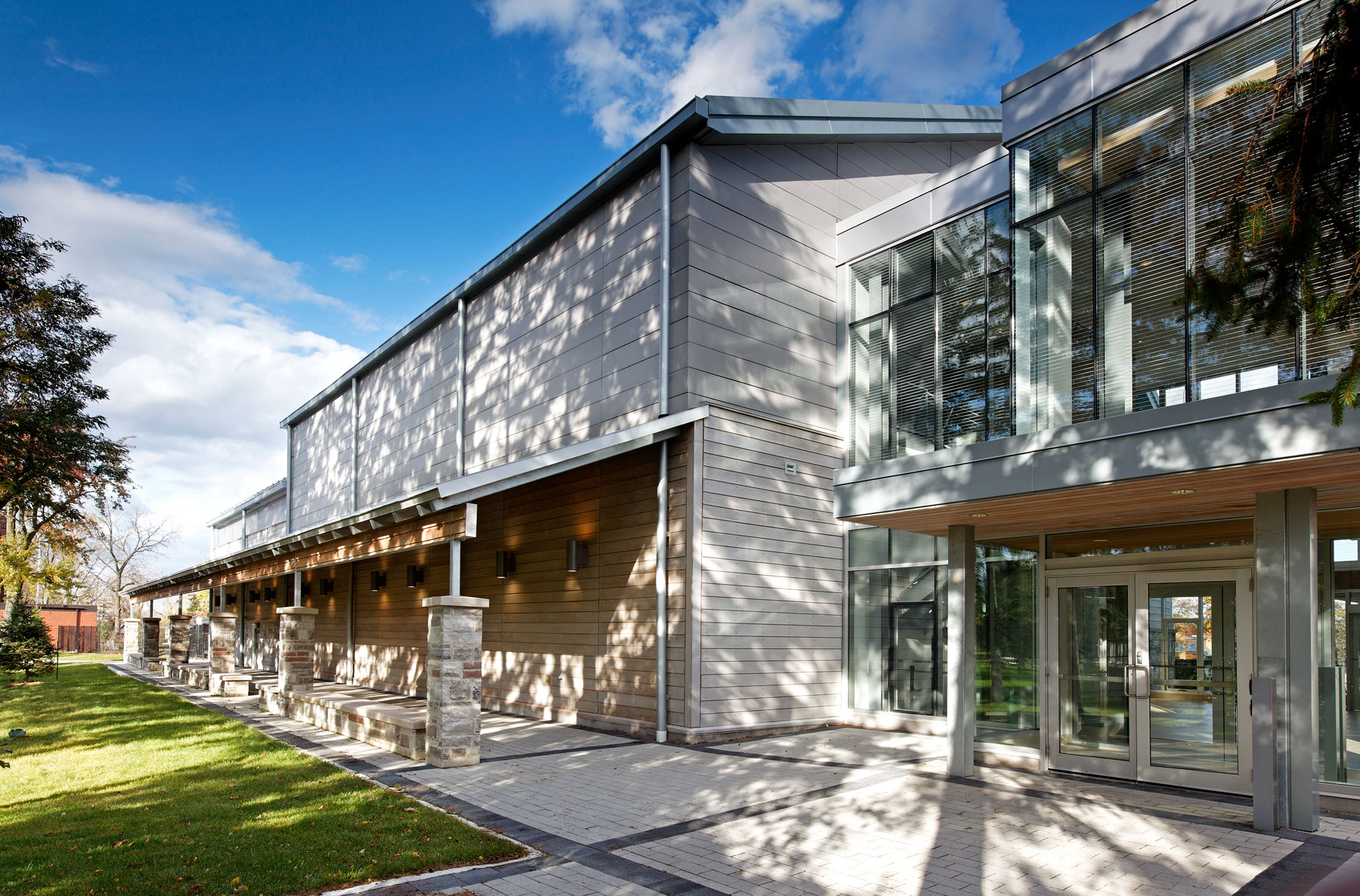
The new building was built using prefabricated steel structures for maximum area with minimum cost. The final result is reminiscent of a 19th Century barn. The new Markham Museum houses a substantially enlarged collection, previously in storage, and forms the anchor for the surrounding municipal heritage park. Features of the Collections Building include permanent and rotating collection spaces, restoration studios, administrative spaces and food service amenities.
As part of the City’s overall Green Building Initiative, the Collections Building was to achieve a minimum level of LEED® Silver Certification. The project was awarded LEED® Gold in March 2014.
The Master Plan for the park was developed at the beginning of the project to enhance educational programming, determine the location for the Collections Building, and develop long-term goals for the site. The new building accommodates covered outdoor activity space for students and other visitors.
LOCATION
Markham, Ontario
COMPLETED
2010
SIZE
16,000 ft²
SERVICES
Renovation & Addition

Lennox & Addington Museum & Archives
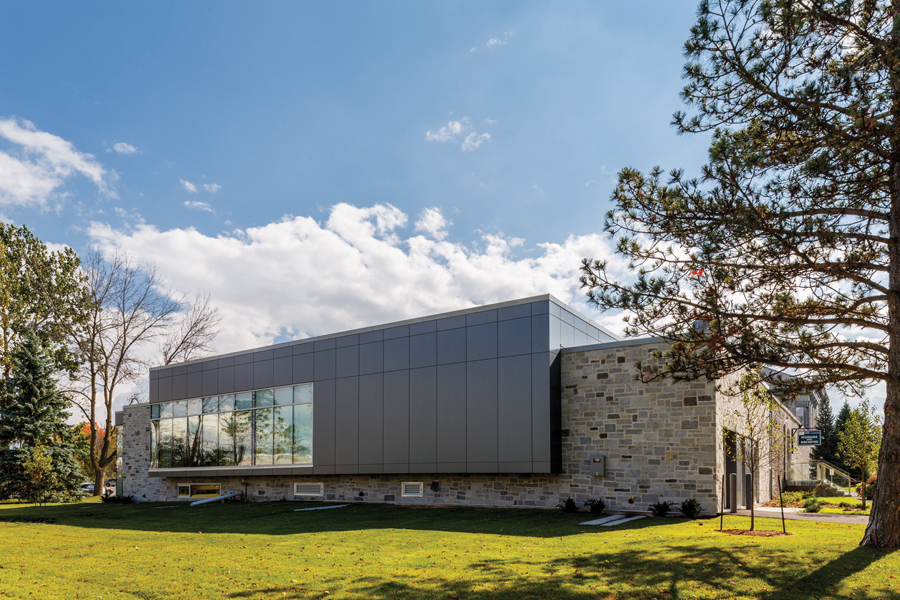
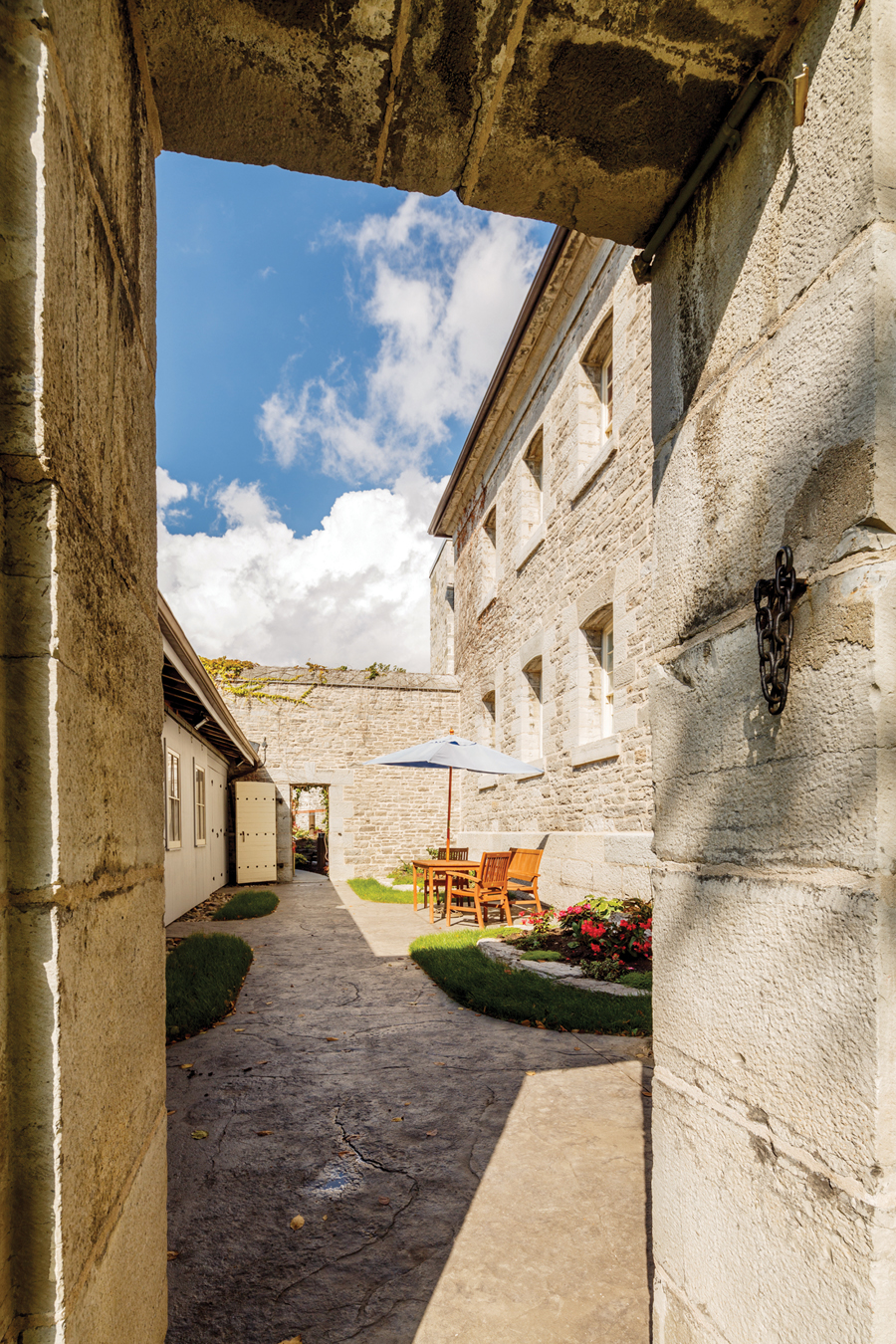
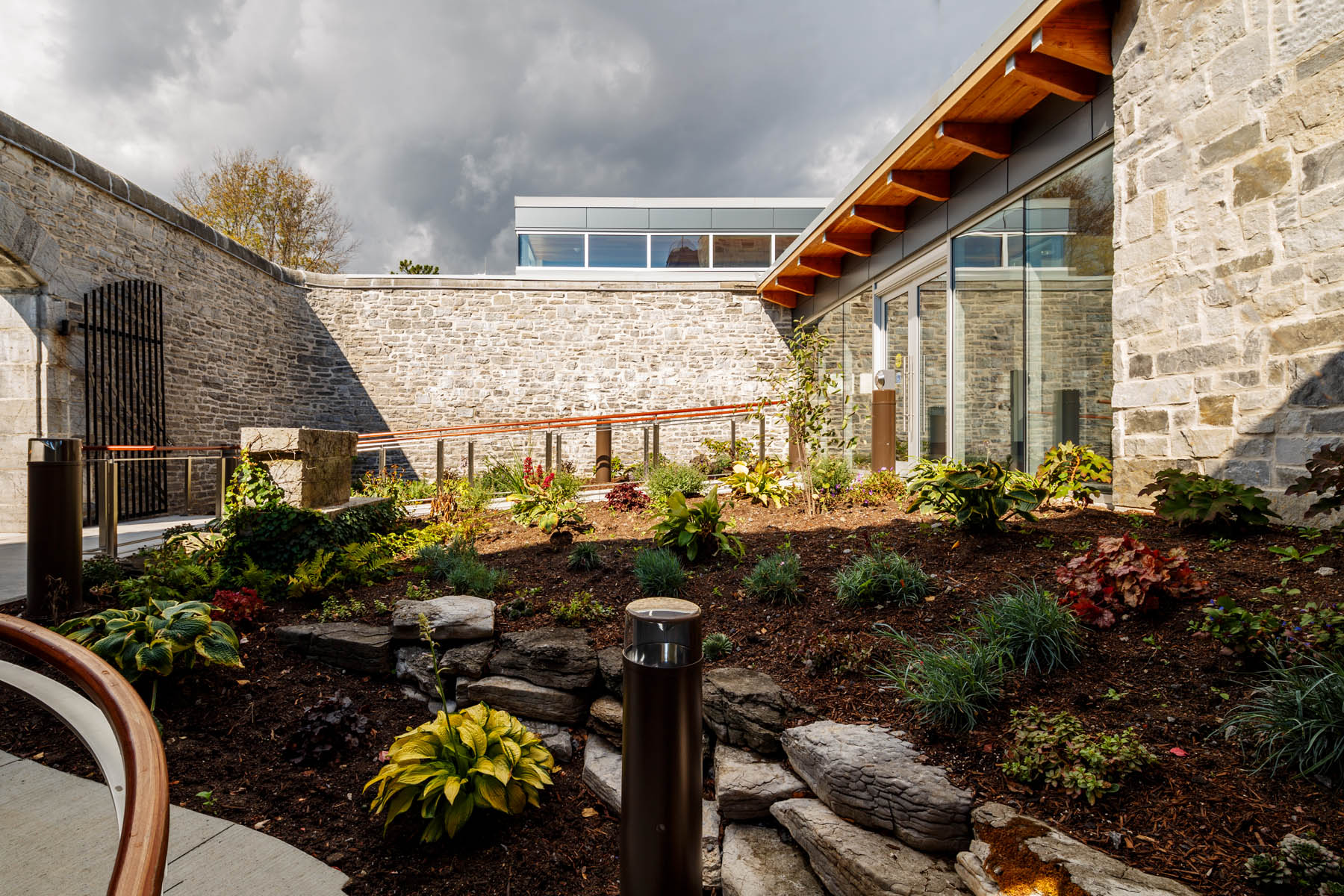
The County Museum and Archives is adjacent to the County’s stately limestone Courthouse, restored by +VG Architects in 1996. The museum, an 1864 limestone building, was, until 1971, the county jail.
In 2002, the County retained +VG Architects to provide architectural consulting and museum planning services to carry out a review of the Museum and Archives structural and functional components, such as service delivery and accessibility, in order to maximize the effectiveness and efficiency of the Museum operation for the 21st Century. One of the major goals of the study was to find ways to accommodate more flexible space for student activity, education programs, and multi-purpose needs.
In Spring 2009, +VG was asked to revisit the study to review the program against current needs and update project costing in anticipation of proceeding with implementation of the Museum and Archives Master Plan vision later in 2009. In 2011, +VG was retained to design the expansion to the existing Archives building. We were chosen for the expertise and experience with designing institutional buildings within historical contexts.
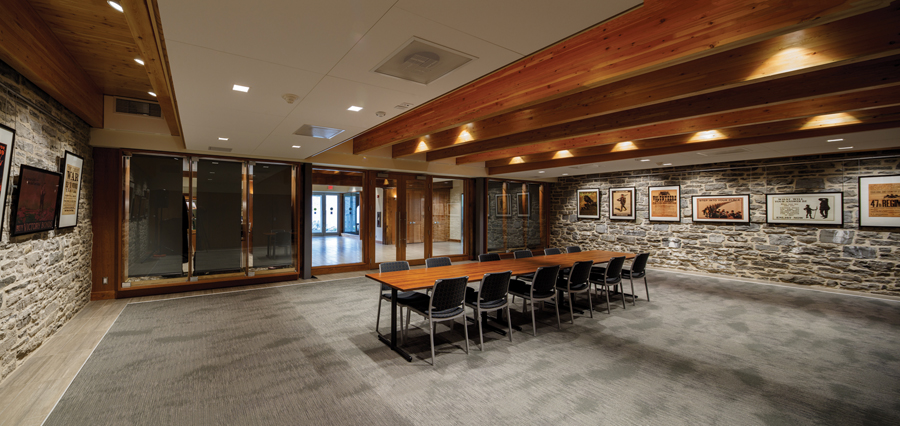
The expansion includes new activity and educational program areas, public washrooms, relocated Research Room and Archival Storage, multi-purpose space, storage space in the basement, and a new one-storey gallery addition.
The historical setting of the property as a whole, represented a unique challenge. In order to fully appreciate this setting, it was imperative that the development of the property be designed in harmony with both the topography of the site and the existing heritage fabric, so that the historical beauty of the existing building and natural open area of the site will continue to be the dominant features. To accomplish this, careful consideration has been given to the size and siting of the building, the architecture of the new intervention in regards to the choice of cladding materials, and in maintaining as much as possible of the property in its natural current state.
LOCATION
Napanee, Ontario
COMPLETED
2014
SIZE
12,000 ft²
SERVICES
Study, Renovation & Addition
PHOTOGRAPHY
David Bell